What Tools Are Needed for Reiki?
When people first discover Reiki, one of the most common questions is: What tools do you actually need to practice Reiki? The answer may surprise you in its simplicity.
At its core, Reiki is not dependent on physical objects. The true power of Reiki comes from within the practitioner.
Your Hands Are the Only Tools You Truly Need
Reiki is a gentle, non-invasive form of energy healing that channels universal life force energy through the practitioner’s hands. Once you are attuned, your hands become the conduit for healing energy.
That means your hands are the only essential Reiki tools required.
There is no need for equipment, devices, or complicated setups. Reiki can be practiced anywhere—whether you are supporting your own well-being, helping a loved one, or offering sessions professionally.
This simplicity is part of what makes Reiki so powerful and accessible.
Enhancing Reiki Sessions with Additional Healing Tools
While Reiki itself requires nothing more than your hands, many practitioners choose to incorporate complementary tools to deepen relaxation, enhance energetic flow, and create a more immersive healing experience.
Here are some popular Reiki tools often used in sessions:
Sound Healing Tools
Sound can shift energy quickly and effectively, making it a beautiful addition to Reiki.
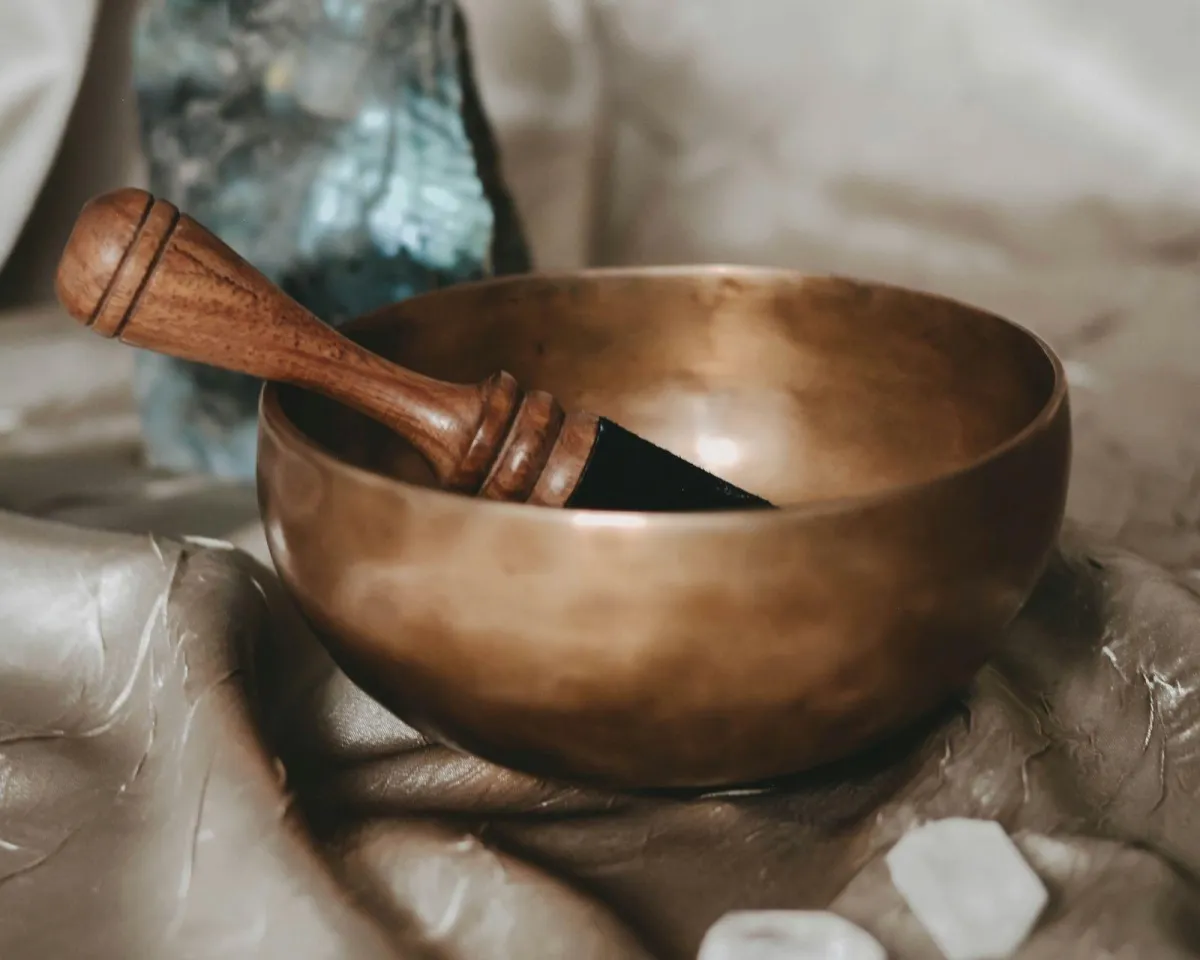
Singing bowls– Help calm the nervous system and clear energetic blockages
Tuning forks– Used to bring the body back into vibrational harmony
Drums or rattles– Grounding and rhythmic, often used for deeper energetic release
Chanting or mantras– Elevate frequency and intention
Crystals and Stones
Crystals are often used to amplify and direct energy during Reiki sessions.
Clear quartz for amplification
Amethyst for calming and spiritual connection
Rose quartz for emotional healing and heart-centered work
Crystals can be placed on or around the body to support specific energetic intentions.
Pendulums
Pendulums are sometimes used to assess energy flow and identify imbalances in the chakras. They can also help guide intuitive decision-making during a session.
Aromatherapy
Essential oils can enhance relaxation and create a soothing environment.
Lavender for calm and stress relief
Frankincense for grounding and spiritual connection
Eucalyptus for clarity and breath support
Breathwork and Guided Meditation
Some practitioners incorporate gentle breathwork or visualization techniques to help clients relax more deeply and receive Reiki energy more openly.
Sacred Space Elements
Creating a peaceful environment can elevate the Reiki experience.
Candles
Soft lighting
Calming music
Intentional altar spaces
Are These Tools Necessary?
It’s important to remember: these tools are optional enhancements—not requirements.
Reiki is complete on its own. The energy flows where it is needed, guided by intention and the innate wisdom of the body.
Tools simply help create an atmosphere that may allow clients to relax more deeply, which can enhance their overall experience.
Reiki for Healing, Relaxation, and Oncology Support
Reiki is increasingly being used as a complementary therapy for those navigating stress, emotional overwhelm, and even complex health journeys.
For individuals on an oncology path, Reiki may help support:
Deep relaxation
Reduced anxiety
Emotional balance
A sense of peace and comfort
It is a gentle, supportive practice that meets you exactly where you are.
Ready to Experience Reiki or Learn it Yourself?
Whether you feel called to receive Reiki or learn how to practice it for yourself and others, you don’t need anything external to begin—just the willingness to connect.
If you’re ready to explore Reiki on a deeper level, I invite you to:
Experience a Reiki session with me, especially if you are on an oncology journey and seeking gentle, supportive care
Learn Reiki with me, so you can support your own healing or help a loved one
Reiki is something you carry with you for life—and it begins with your hands.